Benefits of Parent Infant and Child Course
Benefits of Parent Infant and Child Course
Parent-Infant and Child Facilitator Course, Winter 2026
Week 1: Intro to Parent-Infant and Child Course, January 11 - 17, 2026
Week 1: Intro to Parent-Infant and Child Course, January 11 - 17, 2026
Week 1 Online Classroom Recordings, January 14 & 17
Week 1 Online Classroom Recordings, January 14 & 17
Week 2: Environment for the Child, January 18 - 24
Week 2: Environment for the Child, January 18 - 24
Delayed 7 days
Week 2 Online Classroom Recordings, Wednesday January 21 and Saturday, Jan 24
Week 2 Online Classroom Recordings, Wednesday January 21 and Saturday, Jan 24
Delayed 7 days
Week 3: Environment for the Adult ~ Creating a Bridge, Jan 25 - 31
Week 3: Environment for the Adult ~ Creating a Bridge, Jan 25 - 31
Delayed 14 days
Week 3 Online Classroom Recordings, January 28 & 31
Week 3 Online Classroom Recordings, January 28 & 31
Delayed 14 days
Week 4: Interacting with the Child and Adult, Feb 1 - 7
Week 4: Interacting with the Child and Adult, Feb 1 - 7
Delayed 21 days
Week 4 Online Classroom Recordings, February 4 & 7
Week 4 Online Classroom Recordings, February 4 & 7
Delayed 21 days
Week 5: The First Prepared Environment, February 8
Week 5: The First Prepared Environment, February 8
Delayed 28 days
Week 5 Online Classroom Recordings, February 11 & 14
Week 5 Online Classroom Recordings, February 11 & 14
Delayed 28 days
Week 6: Integration, February 15 - 21
Week 6: Integration, February 15 - 21
Delayed 35 days
Week 6 Online Classroom Recordings, February 18 & 21st
Week 6 Online Classroom Recordings, February 18 & 21st
Delayed 35 days
Certificate Request Adult-Infant and Child Course
Certificate Request Adult-Infant and Child Course
Delayed 35 days
Resources and Parent Handouts
Resources and Parent Handouts
Delayed 14 days
Benefits of Parent-Infant and Child Programs
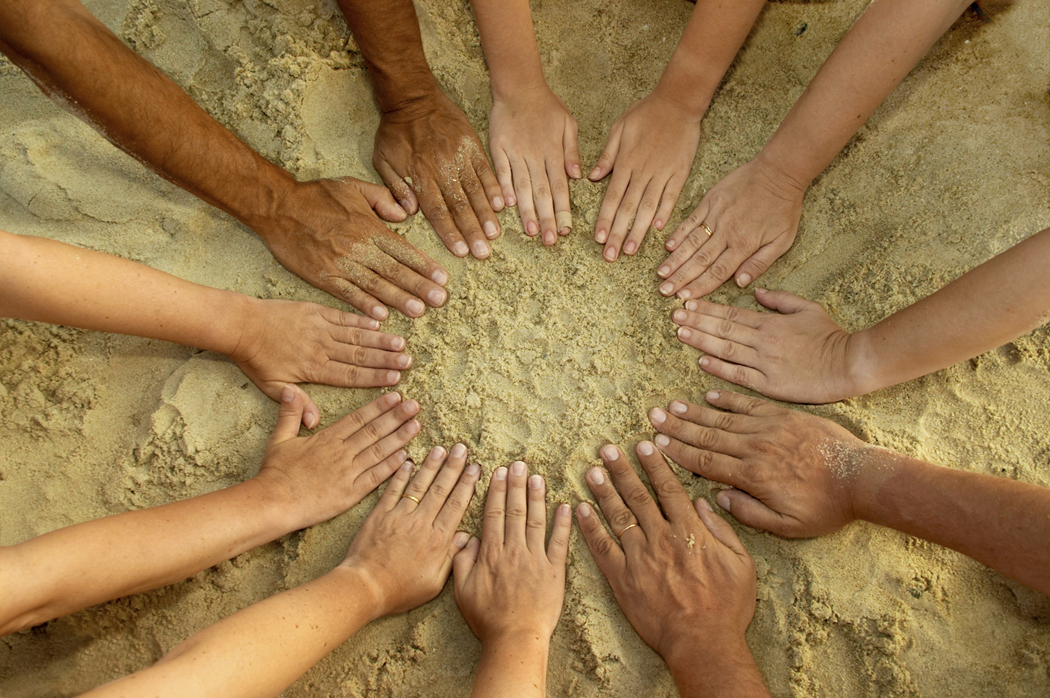
Child:
Learning alongside the parent or caregiver
A save, nurturing environment outside of home to explore, discover and play. Becoming like a second home; consistent, loving, with mutual respect
Creating and experiencing/feeling trust, through relationship with facilitator, as well as with other parents during class
Experiencing autonomy, while also having the parent/caregiver to return to as a touchstone. A movement of natural independence, which is centered on process, within the child and adult
Developing interaction and ownership within a social community
Having more receptive, observant, understanding, and educated parents/caregivers
Parent/Caregiver:
Receiving guidance and modeling from the facilitator
Supporting other parents, while being supported
Meeting other parents/caregivers, sharing experiences, and forming friendships
Creating community
Learning through discovery, process, and practice
Experiencing new ways of responding and being receptive to your child
Learning to observe; seeing your child with fresh eyes, as well as other children
Shifting your relationship with your child, by making changes in yourself
Community:
Parents are in a process of developing greater self-awareness, which supports their own families, while also modeling more positive parenting to others.
Children receiving loving care early in life, are shown to be independent, have more self-esteem, and love of learning, throughout their lives
Parents and children who attend a holistic approach to learning, such as Montessori, practice what they experience in their homes, as well as offering themselves more to the community
School:
You get parents and families into your school early in their lives, supporting families right from the beginning and helping your program/classes grow
Parents and caregivers in PICC practice parenting while being mentored, which creates a strong foundation of adults who are actively in their process of learning and understanding Montessori and the Child. They become leaders in schools, in a natural way
These families stay longer in Montessori programs or schools, leading to better retention of children